| Date | April 2015 |
| Cause | Accidental detonation of experimental anti-kaiju nuclear weapon |
| Event | Area 51 Nuclear Accident |
| Location | |
| Consequences | Massive destruction and fallout in surrounding region • Thousands of personnel killed • Radioactive plume shutting down nearby cities • Area left uninhabitable • Exposed flaws in development of powerful defensive weapons • Ongoing political and societal reverberations |
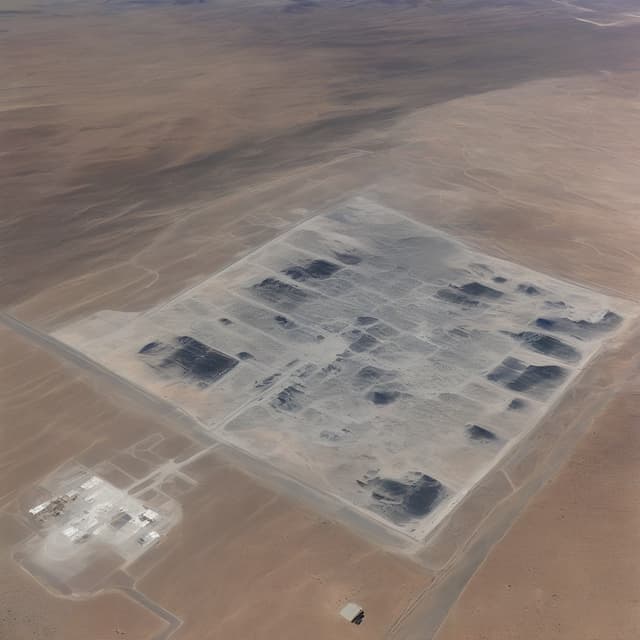
On April 10, 2015, an unthinkable disaster unfolded at the secretive Area 51 military facility in the Nevada desert. During a routine test of an experimental high-yield nuclear device designed to combat the growing threat of kaiju, a critical malfunction caused the weapon to detonate prematurely, unleashing a cataclysmic blast that devastated the entire installation and surrounding region.
Area 51 had long been the site of intensive military research into advanced technologies for detecting, tracking and defeating the giant mutant monsters known as kaiju that had been attacking cities around the world with increasing frequency since the 1990s. One of the most ambitious projects was the development of powerful thermonuclear weapons specifically engineered to destroy these massive creatures.
On the fateful day, a team of scientists and engineers were conducting final field tests on a new prototype "anti-kaiju" bomb, a modified hydrogen bomb with a yield of over 500 kilotons. Moments after the device was activated, a cascade of critical system failures caused the weapon to detonate immediately, generating an explosion equivalent to over 30 Hiroshima-sized bombs.
The blast instantly vaporized the testing area and all personnel present, while the shockwave flattened buildings and infrastructure for miles. A massive radioactive plume then spread outward, contaminating a wide swath of the surrounding Nevada desert. Fallout from the explosion drifted as far as Las Vegas, forcing the entire metropolitan area to be evacuated.
The full scale of the disaster at Area 51 was initially concealed by the U.S. government, but the catastrophic event soon became public knowledge. Thousands were killed instantly, and the long-term health and environmental impacts of the radiation leak were devastating. The previously remote facility and its environs were rendered completely uninhabitable, forcing the permanent relocation of nearby towns and communities.
Investigations later revealed that the accident was caused by a combination of design flaws, human error, and institutional culture problems within the secretive military program. Public outrage over the incident fueled growing opposition to the kaiju weapons program, which many deemed too dangerous and unpredictable. Calls for increased regulation and oversight grew louder, both domestically and internationally.
The repercussions of the Area 51 disaster had far-reaching geopolitical effects as well. Several nations suspended or cancelled their own kaiju defense initiatives, fearing similar catastrophic malfunctions. Global efforts to establish enforceable arms control treaties covering these "doomsday weapons" intensified. Some experts argue the accident marked a critical turning point in the global shift away from technological "solutions" to the kaiju threat in favor of more sustainable ecological and diplomatic approaches.
To this day, the irradiated ruins of Area 51 remain heavily restricted and off-limits, a grim monument to the immense risks and consequences of unchecked military ambition. The specter of the accident continues to loom over the ongoing battle against the kaiju menace, serving as a potent cautionary tale about the dangers of harnessing the power of the atom for warfare, no matter the target.
